

Ensures the high precision,high steady and high efficiency of our machines
ro plant panel board price
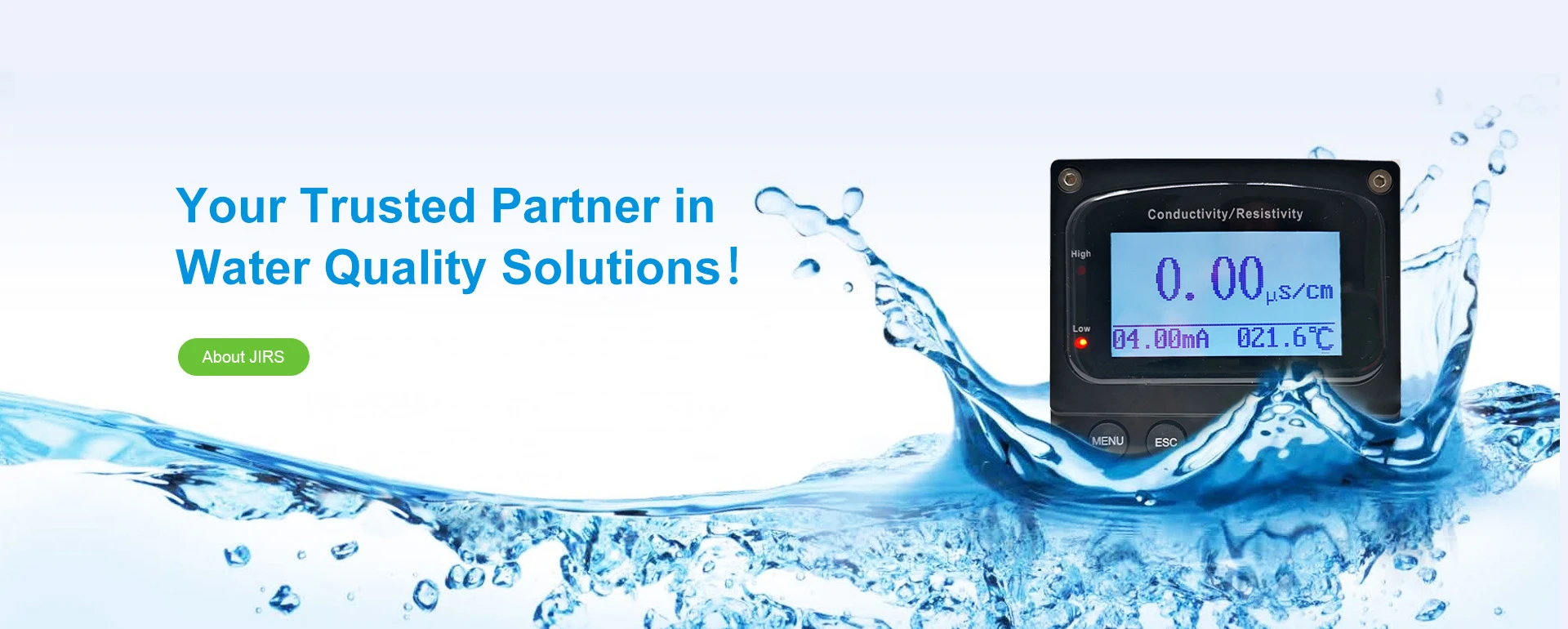
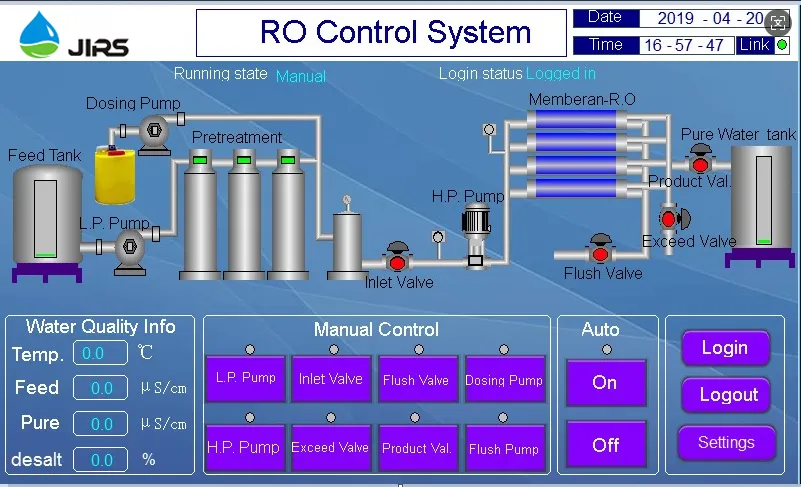
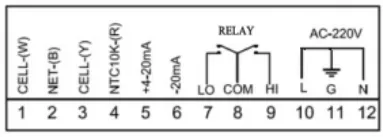
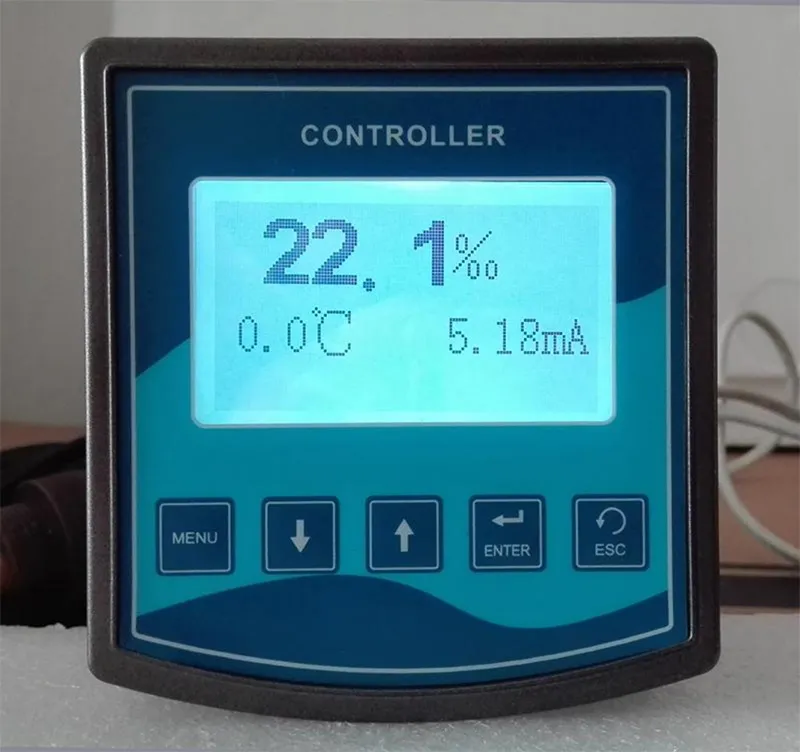
Field Notes on the RO-8100 Reverse Osmosis Control System If you spend time around industrial RO skids (I do), you get picky about controllers. The RO-8100 lands in that sweet spot: a touch HMI plus process brain in one unit, with online conductivity monitoring baked in. It ships standard with a 7-inch resistive touchscreen (10-inch optional) at 800×480, and—importantly—gives operators the feedback they actually check daily: feed pressure, permeate conductivity, recovery trends, and alarm history. Origin: No.188, Fengshou Road, Chang'an district, Shijiazhuang City, Hebei Province China 050041. What it is (and where it fits) It’s a multifunction reverse osmosis controller with four‑wire resistive touch input and an integrated conductivity channel for online water quality. In practice, that means you can automate start/stop, flush sequences, interlocks, VFD analog outputs, and keep an eye on permeate quality without stitching three vendors’ gear together. Many customers say the graphics are “simple but clear,” which is exactly what you want at 2 a.m. Process flow it handles (typical) Feed/CIP selection → prefilter differential pressure check → high-pressure pump ramp Permeate monitoring (conductivity, temperature-compensated) → reject control by valve Auto-flush on start/stop; low-pressure, high-pressure, and high-conductivity interlocks Data logging and alarms; optional chemical clean (CIP) sequences Key specs (condensed) Display 7” standard, 10” optional; 800×480; 4‑wire resistive touch Conductivity channel Range ≈ 0.1–20,000 µS/cm (real-world use may vary); temp comp (NIST-traceable calibration) I/O (typical) Analog 4–20 mA in/out; digital inputs for interlocks; relay outputs for pumps/valves (counts depend on build) Protocols Modbus RTU/TCP (commonly used in skids) Power 24 VDC or AC supply (by configuration) Enclosure/front Panel-mount HMI; front face often IP65‑style when properly gasketed Operating temp ≈ 0–50 °C Design standards Designed to meet IEC 61010‑1 (safety), IEC 61326‑1 (EMC); conductivity per ASTM D1125 guidance Service life HMI backlight ≈ 30–50k h; controller life often 5–8 years with normal duty Materials, methods, and testing Controller internals use industry PCB assemblies and panel‑mount HMI hardware; faceplate is typically ABS/PC with a gasket; wiring lands on removable terminal blocks. Calibration method: two‑ or three‑point conductivity using 84 µS/cm, 1413 µS/cm, and 12.88 mS/cm standards (smart move before FAT). Bench tests often verify EMC (IEC 61326‑1) and safety clearances (IEC 61010‑1). For potable lines, integrators usually insist upstream components meet NSF/ANSI 61, while the controller remains non‑wetted. Where it’s used Pharma purified water loops, microelectronics rinse, food & beverage boiler feed, power plants polishing, and container111ized seawater RO. It seems that the RO-8100 shines in compact skids where “one screen for everything” cuts commissioning time. Vendor snapshot (quick compare) Model What you get Connectivity Typical price Best for RO-8100 Integrated RO control + conductivity HMI Modbus RTU/TCP Mid-range OEM skids needing fast commissioning Generic PLC + 7” HMI DIY logic; separate analyzer Varies (Ethernet/serial) Low–high (depends) Custom plants; heavy integration Cloud SCADA bundle Remote dashboards; not RO‑specific Cellular/Ethernet Subscription + hardware Distributed fleets with remote ops Customization Options often include 10” HMI, extra analog inputs (for ORP/flow), additional relays, Modbus mapping tweaks, multilingual screens, and OEM logo themes. To be honest, the quick win is usually adding a second conductivity channel for pre/post readings. Case notes and test data Brewery upgrade: swap to RO-8100 , recovery tuning + auto‑flush cut CIP frequency by ≈15%; permeate conductivity stabilized around 6–10 µS/cm (feed seasonal). Electronics fab: dual‑pass RO with interstage control; alarm set at 8 µS/cm, observed 95th percentile ≈ 3.5 µS/cm over 60 days; zero nuisance trips after debounce tweak. Note: figures reflect site snapshots; results vary with membranes, pretreatment, and operating pressure. Why it’s winning (quietly) Simple commissioning, readable screens, and fewer boxes to wire. Operators like that alarms say what to do next, not just scream. And yes, the resistive touch works fine with gloves—surprisingly important. References ASTM D1125 — Electrical Conductivity and Resistivity of Water: https://www.astm.org/d1125 IEC 61326‑1 — EMC for measurement/control equipment: https://webstore.iec.ch/publication/24774 IEC 61010‑1 — Safety requirements for electrical equipment: https://webstore.iec.ch/publication/61010 NSF/ANSI 61 — Drinking Water System Components: https://www.nsf.org/knowledge-library/nsf-ansi-61-drinking-water-system-components WHO Guidelines for Drinking‑water Quality (conductivity context): https://www.who.int/publications/i/item/9789241549950
Latest News
2026-04-06 00:07
Introduction The PH/ORP-6850 is a cutting-edge single-channel pH and ORP controller designed for continuous monitoring and control of water quality in industrial applications. Developed by Hebei JIRS Import & Export Co., Ltd. , this device ensures accurate measurement of pH and oxidation-reduction potential (ORP) values, making it indispensable in sectors such as municipal wastewater treatment, ch
2026-04-06 00:42
Pressure switches are critical components in modern industrial and mechanical systems, ensuring safety, efficiency, and precision in operations. The LF55 Pressure Switch from Hebei JIRS Import & Export Co., Ltd. stands out as a reliable solution designed to meet the demands of diverse applications. This article provides an in-depth analysis of the LF55 pressure switch, covering its features, techn
2026-04-06 01:31
When it comes to environmental analysis, wastewater treatment, or drinking water inspection, water sampler types play a crucial role in collecting representative water samples for laboratory analysis. These devices are essential for understanding water quality over time and under varying conditions. From basic grab samplers to high-tech programmable models, the variety of water sampler types avail
